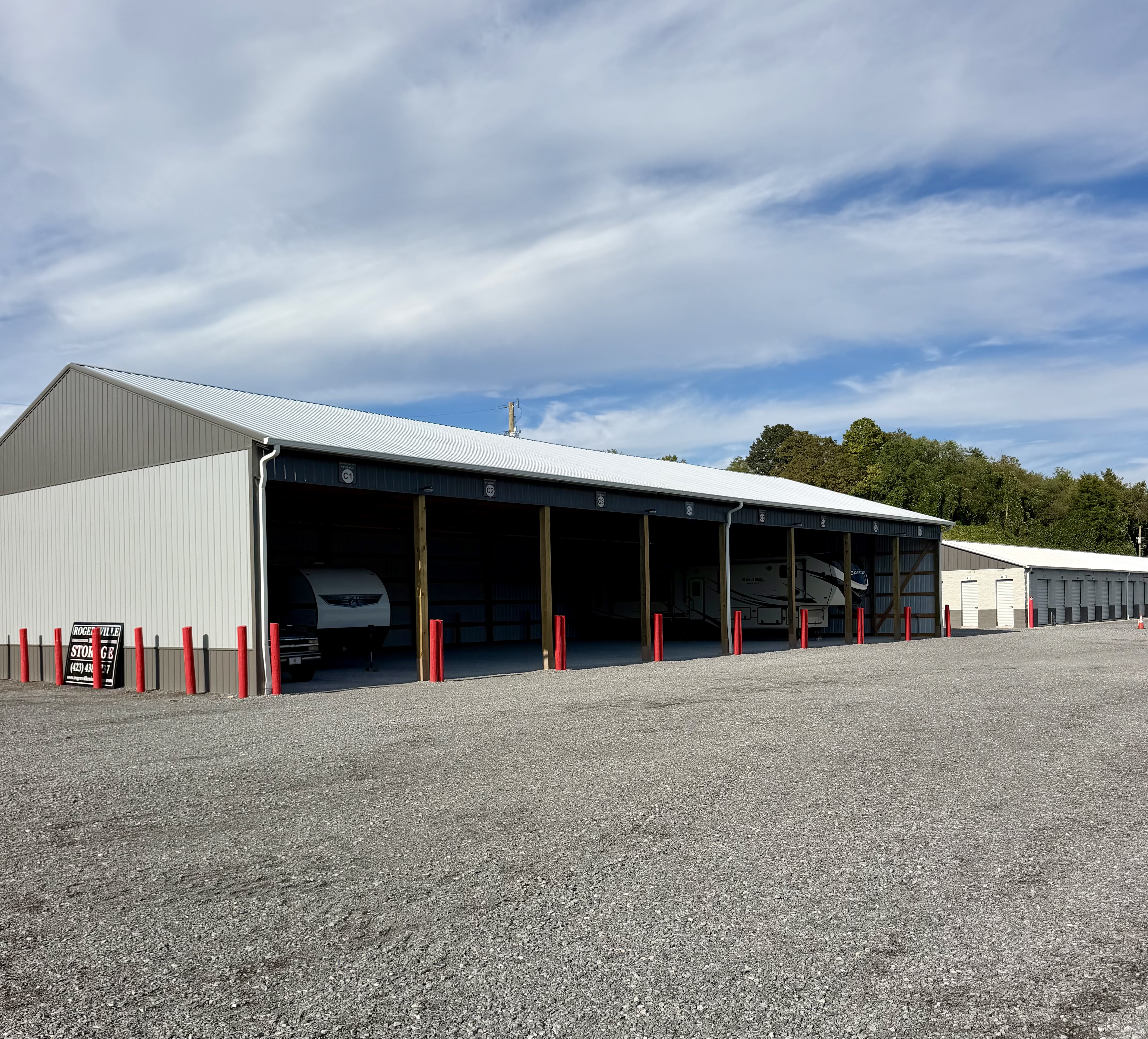
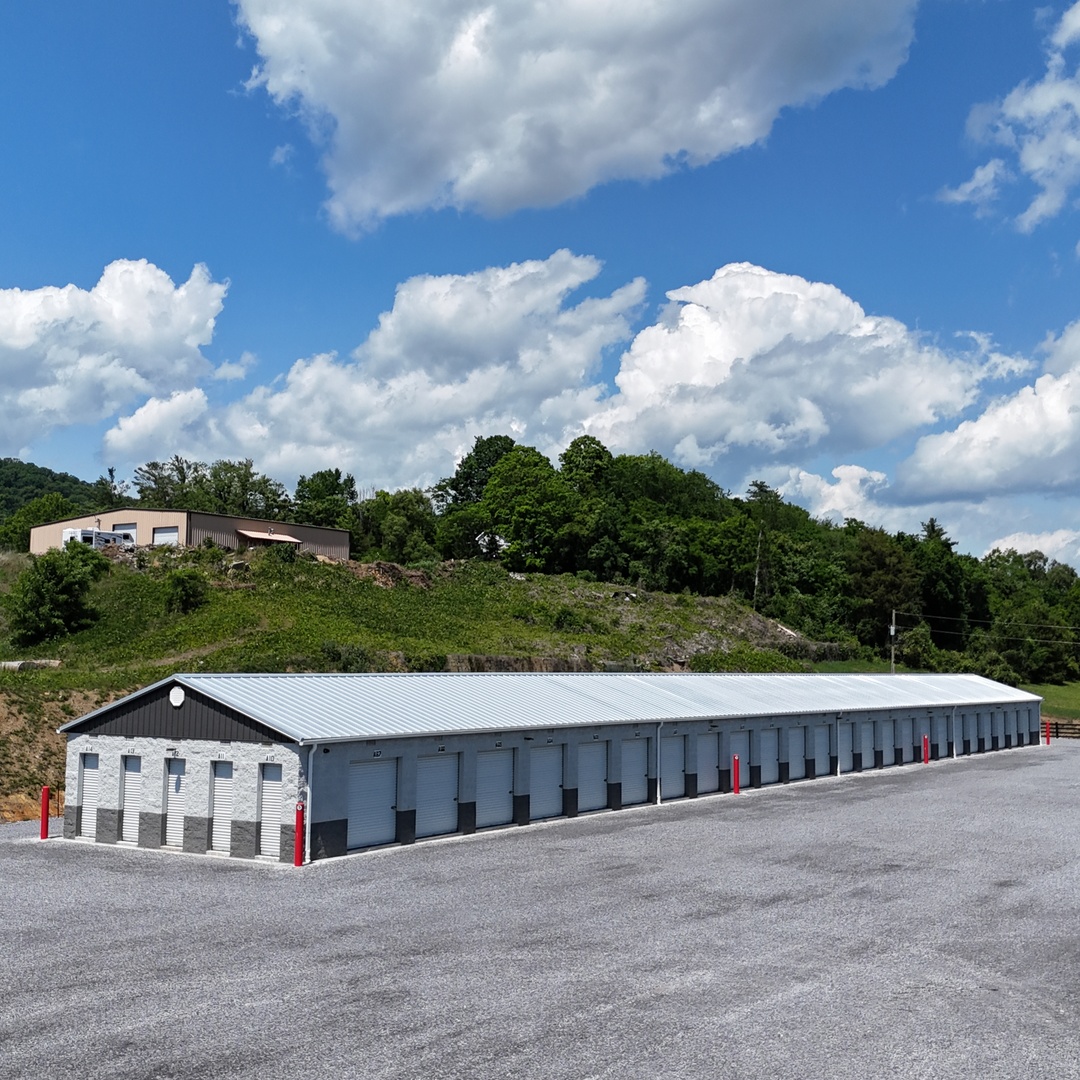
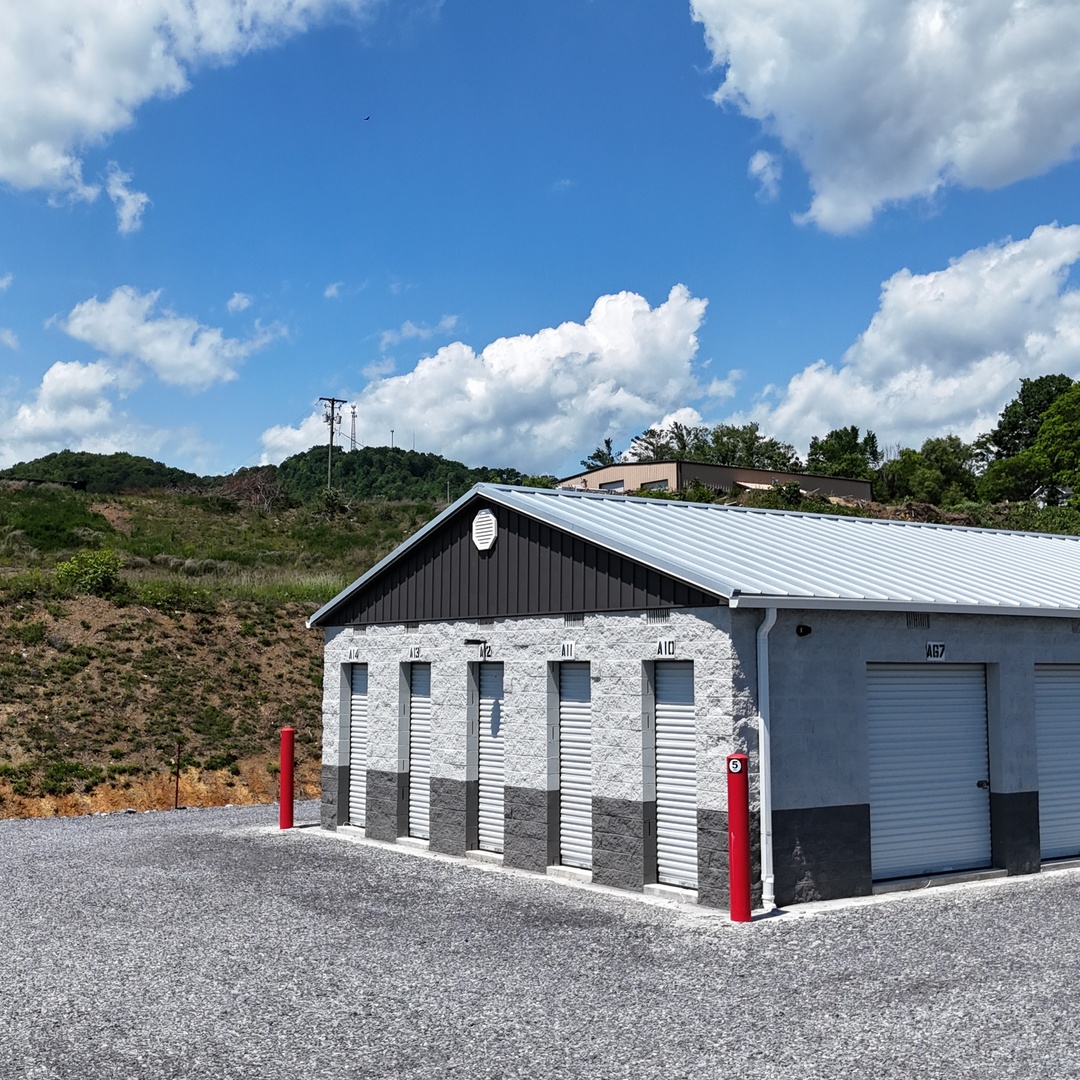
Owning an RV, boat, or recreational trailer makes it easier to enjoy your next adventure. But when you're not using it, finding the right place to park can be challenging.Rogersville Mini Storage now offers covered parking, giving vehicle owners another convenient storage option. Added Protection From the Elements Covered parking provides overhead shelter that helps reduce direct exposure to sunlight, rain, and other weather conditions.While covered parking isn't fully enclosed, it can offer an added layer of protection compared to leaving your vehicle completely exposed. Reclaim Your Driveway RVs, boats, and trailers take up valuable space at home. Moving them into dedicated parking can free up your driveway and make everyday parking easier. Covered vs. Uncovered Parking Both options have advantages.Covered parking provides overhead shelter, while uncovered parking offers a straightforward solution for keeping larger vehicles off your property.The right choice depends on your vehicle, budget, and storage preferences. Explore Covered Parking in Rogersville Whether you're storing an RV between road trips or keeping your boat parked between outings, Rogersville Mini Storage offers options to fit your needs. ...
—October 13th, 2026
As the seasons change, so do the things we use around our homes. Outdoor equipment, clothing, decorations, and recreational gear can quickly fill closets and garages.A simple seasonal organization system can help keep your home functional throughout the year. Rotate Seasonal Belongings Instead of keeping everything accessible year-round, separate belongings by season.Pack away items you won't need for several months, including outdoor accessories, seasonal decorations, and recreational equipment. Create Dedicated Storage Categories Group similar belongings together before packing.Use clearly labeled containers for holiday decorations, outdoor gear, seasonal clothing, and household accessories.This makes everything easier to find when you need it again. Make Room for Everyday Living Closets, garages, and spare bedrooms work better when they aren't overflowing with rarely used belongings.Moving seasonal items into self storage can help create more usable space without requiring you to part with things you want to keep. Keep Your System Simple Review your belongings whenever the seasons change. Bring out what you need and put away what you don't.A consistent routine makes staying organized easier. Find Extra Storage Space in Rogersville Rogersville Mini Storage offers convenient drive-up storage and online rentals to help simplify seasonal organization. ...
Home renovations are exciting, but living through one can quickly become stressful. Whether you're replacing flooring, painting, remodeling a kitchen, or tackling a larger project, one of the first challenges is figuring out where everything should go.Using a self storage unit during a renovation can help keep your home organized and give you more room to work. Clear Your Workspace Moving furniture, décor, boxes, and other belongings out of the renovation area gives you or your contractors more room to work. It can also help keep belongings away from the dust and debris that often comes with home improvement projects. Avoid Moving Clutter From Room to Room Without extra space, renovating one room often means filling another. The dining room becomes temporary storage, the garage fills with furniture, and boxes end up everywhere.A storage unit gives those belongings a temporary home while allowing the rest of your house to remain functional. Use the Opportunity to Declutter Before putting everything into storage, separate belongings into four groups: keep, donate, discard, and store.When the renovation is complete, bring back the things you actually use first. You may discover that you don't need everything taking up space in your newly refreshed room. Make Your Next Project Easier Rogersville Mini Storage offers convenient drive-up storage and 24/7 access, making it easy to move belongings in and out around your renovation schedule.Visit RogersvilleMiniStorage.com to view available units and rent online.Questions? Call (423) 438-3737. ...
—September 18th, 2026
For many households, the garage slowly becomes the place where everything goes when there's nowhere else to put it. Holiday decorations, tools, camping gear, bicycles, keepsakes, and boxes gradually take over until there's barely room left for your vehicle.The good news? Getting organized doesn't mean throwing everything away. Start With Categories Group your belongings into categories like tools, outdoor gear, seasonal decorations, sporting equipment, keepsakes, and household overflow.Then ask yourself how often you actually use each group.Items you use every week should stay accessible. Things you only need occasionally don't necessarily need to occupy valuable garage space year-round. Use Your Space Wisely Wall-mounted hooks, shelving, racks, and labeled containers can help get belongings off the floor and make your garage easier to navigate.For items you want to keep but rarely use, self storage can provide the extra space you need without forcing you to part with them. Create a Garage That Works Again The goal isn't necessarily to own less. It's to give everything the right place.By keeping frequently used belongings nearby and moving rarely used items elsewhere, you can reclaim your garage and make it functional again.Need a little more breathing room? Visit RogersvilleMiniStorage.com to view available units and rent online.Questions? Call (423) 438-3737. ...
When your home starts feeling crowded, it's easy to assume you need more square footage.But adding more space doesn't always require knocking down walls, building an addition, or moving into a larger house.Sometimes, you simply need to make better use of the space you already have.If closets are overflowing, your garage has become a storage room, or your spare bedroom isn't usable anymore, these organization and decluttering strategies can help you reclaim your home. 1. Start With the Spaces That Frustrate You Most Don't try to organize your entire house at once.Start with the space that's causing the biggest problem.Maybe it's the garage you can barely walk through. Maybe it's an overflowing hallway closet. Maybe the spare bedroom has slowly become the place where everything without a home gets tossed.Choose one area and finish it before moving to the next. 2. Separate "Don't Need" From "Don't Need Right Now" This is where decluttering gets difficult.Not everything you remove from a room needs to be thrown away or donated.Instead, ask yourself:Do I need this item in my everyday living space?Holiday decorations are a perfect example. You may absolutely want to keep them, but they don't need to occupy valuable closet or garage space throughout the entire year.The same is true for camping equipment, keepsakes, extra furniture, seasonal clothing, sporting equipment, and other occasionally used belongings. 3. Reclaim Your Garage Garages have a tendency to become oversized junk drawers.Boxes get stacked along walls. Holiday decorations accumulate. Tools, bicycles, lawn equipment, sporting gear, and old furniture slowly take over.Before you know it, there's barely enough room for the things your garage was originally intended to hold.Start by grouping similar items together.Then decide what needs to remain easily accessible and what could be stored elsewhere.Moving bulky or infrequently used belongings into a storage unit can free up a surprising amount of garage space. 4. Give Your Spare Bedroom a Purpose Again If your guest bedroom has become a room filled with boxes, you're essentially using valuable living space as a storage unit.Go ...
—August 24th, 2026
Whether you're moving, downsizing, remodeling, or simply trying to create more space at home, a storage unit can give you the extra room you need. But if your belongings will be stored for several months or longer, a little preparation can make a big difference.Proper packing and organization can help protect your belongings, make better use of your storage space, and make it much easier to find what you need later.Here are some simple long-term storage tips to help you get started. 1. Create an Inventory Before You Pack Before moving anything into storage, make a list of what you plan to store.You don't need anything complicated. A simple list on your phone can help you remember what's inside your unit without digging through boxes later.For larger storage projects, consider numbering your boxes and adding those numbers to your inventory.For example: Box 1: Holiday decorations Box 2: Kitchen items Box 3: Family keepsakes Box 4: Books and office supplies You'll thank yourself later! 2. Use Sturdy, Clearly Labeled Containers Good organization starts with good packing.Use sturdy boxes or storage containers that can be stacked safely. When possible, choose containers of similar sizes to make better use of vertical space inside your unit.Label multiple sides of every container so you can identify its contents even when boxes are stacked.Instead of writing something vague like "House," use specific labels such as "Kitchen – Small Appliances" or "Living Room – Books & Décor." 3. Prepare Furniture Before Storage Furniture should be clean and completely dry before being placed in long-term storage.Disassemble larger pieces when practical. Removing table legs, bed frames, and other detachable pieces can save valuable space.Keep hardware in labeled bags and attach them securely to the corresponding furniture so they're easy to find later.Furniture covers can also help protect surfaces from dust and everyday debris while your belongings are stored. 4. Prepare Electronics Carefully Before storing electronics, remove batteries whenever possible. Batteries left inside devices for extended periods can leak and cause damage.Keep cords, remotes, chargers, and accessories together and clearly labeled.If you still ...
Many people think decluttering means getting rid of their belongings forever. In reality, organizing your home is often about moving rarely used items out of your everyday living space—not necessarily parting with them. If your closets are overflowing, your garage is packed, or every spare room seems to have become a storage room, these simple strategies can help you create more space without sacrificing the things that matter. 1. Start With One Small Area Trying to organize your entire house in one weekend can quickly become overwhelming. Instead, choose one closet, one cabinet, or one corner of your garage and focus only on that area. Small wins build momentum. 2. Sort Everything Into Four Categories As you work, place each item into one of four groups: Keep Donate Store Throw Away This simple system helps eliminate indecision and keeps the process moving. 3. Rotate Seasonal Items Holiday decorations, winter clothing, patio furniture cushions, and seasonal sports equipment don't need to take up valuable space all year long. Rotating these items into storage frees up closets and shelves for the things you use every day. 4. Clear Out the Garage Garages often become the default storage space for everything that doesn't have a home. Moving rarely used tools, keepsakes, camping gear, and seasonal decorations into a storage unit can instantly make your garage more functional. 5. Label Everything Whether you're storing items at home or in a storage unit, clearly labeled boxes make it much easier to find what you need later. A little organization now saves hours of searching in the future. 6. Keep Sentimental Items Without Creating Clutter Many families struggle with keepsakes, photo albums, heirlooms, and childhood memories. Instead of letting these items take over closets or spare bedrooms, consider storing them safely until you want to enjoy them again. You don't have to choose between keeping meaningful belongings and having an organized home. 7. Make Organization a Habit Decluttering isn't something you do once. Spending just 15 to ...
—July 13th, 2026
Renting a storage unit is one of the easiest ways to create more space at home, but choosing the right size can feel overwhelming if you've never rented one before. Selecting a unit that's too small can leave you struggling to fit everything inside, while renting one that's too large may mean paying for space you don't need. At Rogersville Mini Storage, we want to make the process simple. Here are a few things to consider when deciding which storage unit is right for you. Start With an Inventory Before renting a unit, make a list of everything you plan to store. Think about furniture, boxes, appliances, seasonal decorations, sporting equipment, business inventory, and anything else that needs a temporary or long-term home. Having a complete list will help you estimate how much space you'll need and prevent surprises on moving day. Think Beyond Square Footage It's easy to focus only on the floor space of a storage unit, but don't forget about vertical space. Sturdy boxes can be stacked safely, and many pieces of furniture can be stored upright to maximize every square foot. Planning how you'll organize the unit often allows you to fit much more than you expect. Consider Future Needs If you're in the middle of a move, remodeling your home, or helping a family member downsize, think about whether you'll be adding more items over the next few months. Choosing a slightly larger unit now can save you the hassle of moving everything into a different unit later. Store Frequently Used Items Near the Front No matter what size unit you choose, organization matters. Place items you may need throughout the year near the entrance, while long-term storage items can be placed toward the back. Leaving a small walkway down the center also makes it easier to access your belongings without unpacking the entire unit. Protect Your Belongings Use sturdy boxes, label everything clearly, and cover furniture with breathable covers. Taking a little extra time ...
Renting a storage unit is one of the easiest ways to create more space at home, but how you pack your unit can make a huge difference. With a little planning, you can fit more belongings, stay organized, and make finding items easier later. 1. Choose the Right Size Unit Before moving in, make sure you're renting a unit that fits your needs. A unit that's too small can become cluttered, while a unit that's too large may leave unused space. 2. Use Uniform Boxes Boxes of similar sizes stack more securely and help maximize vertical space. 3. Label Everything Label every box on multiple sides so you can identify contents quickly. 4. Build Up, Not Out Take advantage of vertical space by stacking boxes carefully and safely. 5. Leave a Center Walkway Creating a small aisle allows easy access to items stored in the back. 6. Store Frequently Used Items Near the Front Seasonal decorations, tools, or business inventory should remain accessible. 7. Disassemble Furniture Removing table legs and bed frames helps save valuable space. 8. Protect Fragile Items Wrap delicate belongings carefully and avoid stacking heavy items on top. 9. Create Storage Zones Group similar items together to stay organized. 10. Keep an Inventory List A simple inventory helps you remember exactly what's inside your unit. With proper planning, your storage unit can stay organized and efficient from day one. ...
—July 1st, 2026
Many homeowners feel like they've outgrown their space, but moving isn't always the answer. In many cases, a little organization and strategic storage can make your home feel significantly larger. Start with the Garage Garages often become catch-all spaces for seasonal decorations, tools, sporting equipment, and storage bins. Removing infrequently used items can immediately create more usable space. Reclaim Spare Rooms Guest rooms frequently become storage rooms. Moving boxes, keepsakes, and seasonal items into a storage unit can help restore the room's intended purpose. Free Up Closet Space Rotate seasonal clothing and store off-season items to make closets more functional year-round. Reduce Visual Clutter Even organized belongings can make a room feel crowded. Removing rarely used items helps create a cleaner, more open environment. Store Seasonal Items Elsewhere Holiday decorations, camping gear, summer equipment, and other seasonal items don't need to take up valuable space at home all year. Think Long-Term Storage isn't just for moving. Many families use storage units to simplify daily life, stay organized, and create more room for the things that matter most. A little extra space can make your home feel more comfortable, organized, and enjoyable without the expense of moving. ...